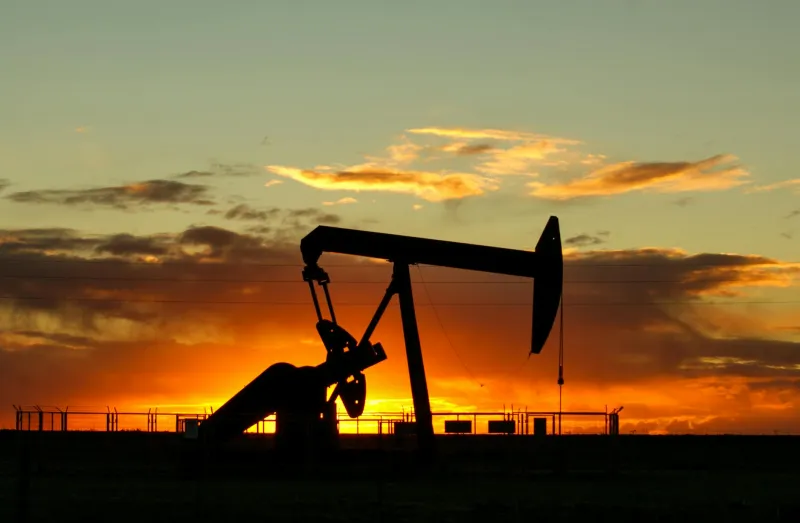
America possesses more recoverable fossil fuel reserves than any nation on Earth, yet we continue importing energy from countries that actively work against our interests. This isn't a geological problem — it's a political one. From the Permian Basin to the Arctic National Wildlife Refuge, regulatory obstacles and ideological opposition are preventing the United States from achieving complete energy independence.
The Numbers Tell the Story
According to the Energy Information Administration, the United States holds approximately 47.1 billion barrels of proved crude oil reserves and 464.2 trillion cubic feet of natural gas reserves. The Permian Basin alone could produce over 5 million barrels per day — more than most OPEC nations. Yet federal lands, which contain an estimated 25% of America's oil and 20% of its natural gas, remain largely off-limits due to permitting delays and regulatory barriers.
The Institute for Energy Research estimates that unleashing American energy production could create over 1 million jobs while generating hundreds of billions in federal revenue. Instead, we're leaving this wealth in the ground while sending approximately $100 billion annually to countries that often use those petrodollars to fund activities contrary to American interests.
LNG: America's Geopolitical Game-Changer
Liquefied natural gas represents perhaps the most underutilized weapon in America's geopolitical arsenal. The shale revolution has made the United States the world's largest natural gas producer, yet we export only a fraction of our potential. Current LNG export capacity stands at roughly 11 billion cubic feet per day, but proposed projects could triple that figure.
Europe's energy crisis following Russia's invasion of Ukraine demonstrated the strategic value of American LNG exports. European nations that had become dangerously dependent on Russian gas suddenly found themselves scrambling for alternatives. American LNG filled part of that gap, but permitting delays for new export facilities mean we can't fully capitalize on this geopolitical opportunity.
Every LNG cargo ship that leaves an American port represents revenue that would otherwise flow to Russia, Iran, or Qatar. It's economic warfare through free market competition — exactly the kind of strategy that advances American interests while strengthening our allies.
The Nuclear Renaissance That Isn't
America's nuclear fleet generates nearly 20% of our electricity and 55% of our carbon-free power, yet we haven't completed a new nuclear plant since 1996. Meanwhile, China is building dozens of reactors while Russia dominates global uranium markets. The Nuclear Regulatory Commission's sclerotic approval process, which can take over a decade, has effectively killed new nuclear development.
Advanced reactor designs promise safer, more efficient nuclear power, but regulatory frameworks designed for 1970s technology create insurmountable barriers for innovation. Companies like TerraPower and NuScale have developed revolutionary small modular reactor designs that could provide clean, reliable baseload power, yet they face regulatory mazes that favor incumbent utilities over technological advancement.
Regulatory Capture and Environmental Theater
The Biden administration's approach to energy policy exemplifies how ideology trumps pragmatism. Despite campaign promises to support "all of the above" energy strategies, federal agencies have systematically restricted domestic production through regulatory delays and policy reversals.
The cancellation of the Keystone XL pipeline eliminated thousands of jobs while forcing Canadian oil to reach markets through less efficient transportation methods. New offshore drilling lease sales have been delayed or canceled, sending clear signals to energy companies that long-term investments in American production aren't welcome.
Environmental groups celebrate these restrictions as victories, but the actual environmental impact is often negative. Blocking American production doesn't reduce global energy consumption — it simply shifts production to countries with lower environmental standards and higher carbon footprints.
The Working Class Pays the Price
Energy costs disproportionately impact working-class families, who spend a higher percentage of their income on gasoline, heating, and electricity. When politicians restrict domestic energy production in favor of imported alternatives, they're essentially imposing a regressive tax on the Americans who can least afford it.
The American Petroleum Institute estimates that energy restrictions cost the average American household over $2,000 annually in higher energy costs. For families already struggling with inflation, these additional costs represent real hardship that could be eliminated through sensible energy policies.
National Security Through Energy Security
Energy independence isn't just an economic issue — it's fundamental national security. Countries that control their energy destiny can pursue foreign policies based on national interests rather than energy needs. America's brief period of energy independence during 2019-2020 demonstrated the geopolitical benefits of domestic production.
When America produces more energy than it consumes, hostile nations lose leverage over our foreign policy decisions. We can impose meaningful sanctions on bad actors without worrying about retaliatory energy cutoffs. We can support allies without compromising our own energy security.
The Path Forward
Achieving true energy dominance requires policy changes that prioritize American production over environmental theater. This means streamlining permitting processes, opening federal lands for development, and reforming regulatory frameworks that favor foreign production over domestic alternatives.
Congress should establish firm timelines for energy project approvals, preventing agencies from using endless delays as de facto vetoes. Nuclear regulations need comprehensive reform to accommodate advanced reactor designs. LNG export facilities should receive expedited approval to maximize America's geopolitical advantages.
Ideology vs. Reality
America's energy potential is limited only by political will, not geological constraints. Every barrel of oil we don't produce, every cubic foot of gas we leave in the ground, and every nuclear plant we don't build represents a strategic advantage handed to our competitors.
The choice is clear: unleash American energy dominance or continue subsidizing our adversaries while impoverishing our own citizens.