The Great Grade Inflation
Across America's public schools, a quiet revolution is underway. From Portland to Providence, school districts are systematically dismantling the grading systems that have measured academic achievement for generations. They're calling it "equitable grading," but what's really happening is the wholesale abandonment of academic standards in the name of social justice.
The changes are sweeping: no more zeros on assignments, unlimited opportunities to retake tests, homework that doesn't count toward final grades, and grading scales that make failure nearly impossible. Districts from San Diego Unified to Fairfax County have embraced these policies, affecting hundreds of thousands of students. The justification is always the same — traditional grading perpetuates racial inequities and must be reformed.
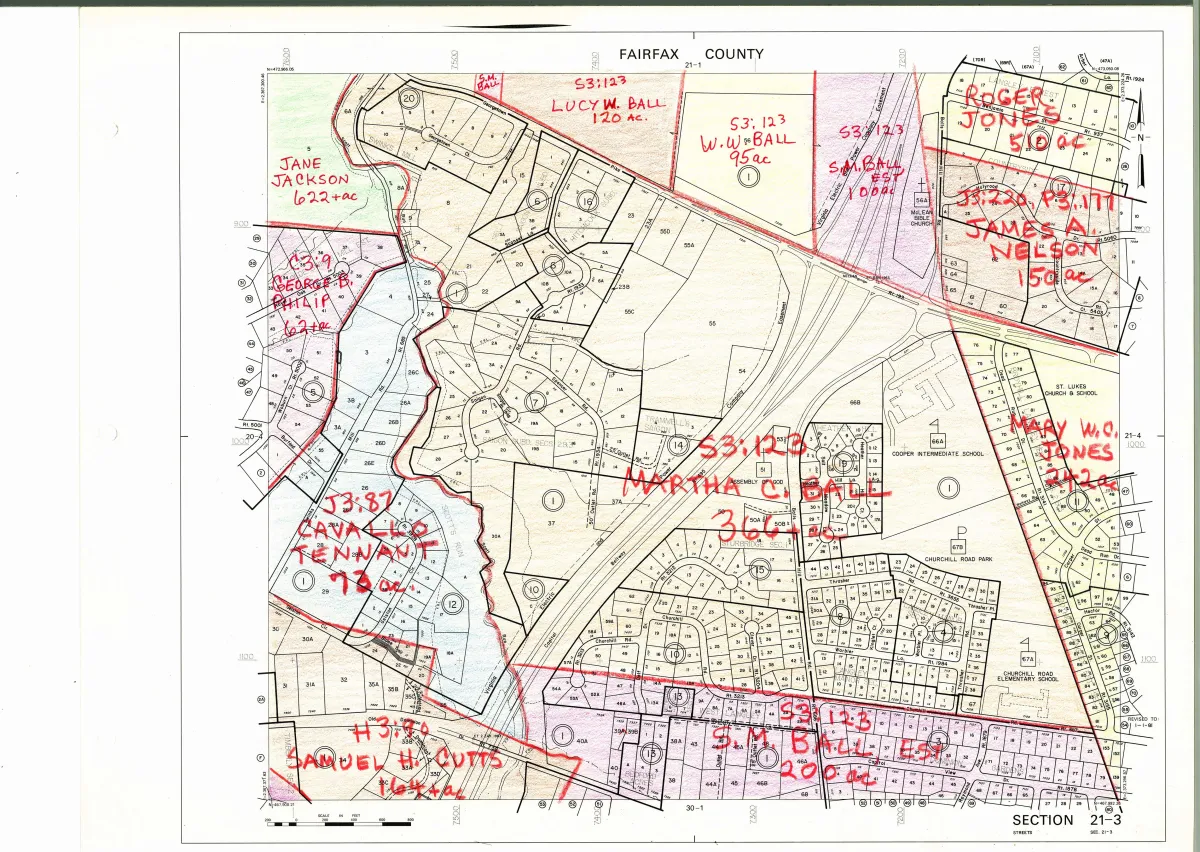 Photo: Fairfax County, via www.fairfaxcounty.gov
 Photo: San Diego Unified, via cdnsm5-ss18.sharpschool.com
When Compassion Becomes Cruelty
The conservative response to this educational malpractice should be swift and uncompromising: genuine equity means holding every child to high standards, not lowering the bar until everyone can stumble over it. Academic rigor isn't racist — it's the foundation of genuine opportunity.
Consider what these "reforms" actually accomplish. When homework stops counting toward grades, students learn that preparation is optional. When unlimited retakes are guaranteed, the incentive to study seriously the first time evaporates. When zeros are eliminated from grading scales, the natural consequences of not completing work disappear entirely.
This isn't equity — it's educational fraud. Students graduate with inflated GPAs that don't reflect their actual knowledge or work ethic. They arrive at college or enter the workforce completely unprepared for environments where deadlines matter, where second chances aren't guaranteed, and where performance has real consequences.
The Data Tells the Real Story
Proponents of equitable grading point to improved graduation rates and higher GPAs as evidence of success. But scratch beneath the surface, and the picture looks far different. College remediation rates haven't improved in districts that have adopted these policies. Employer satisfaction with new hires hasn't increased. What has changed is that schools can now claim statistical progress while delivering educational regression.
The most damaging aspect of this movement is its underlying assumption: that minority students are inherently incapable of meeting traditional academic standards. This soft bigotry of low expectations does more to perpetuate racial inequality than any grading scale ever could. When schools abandon homework requirements because they assume certain families can't provide adequate support, they're not promoting equity — they're institutionalizing excuses.
Real equity would mean ensuring every student has access to rigorous instruction, qualified teachers, and the support needed to meet high standards. It would mean addressing the root causes of achievement gaps — poverty, family instability, inadequate early childhood education — rather than simply hiding the symptoms through grade manipulation.
The Teachers Union Protection Racket
Equitable grading serves another purpose that its advocates rarely acknowledge: it shields failing schools and ineffective teachers from accountability. When students can't fail, schools can't fail either. Poor instruction, inadequate curriculum, and systemic dysfunction all become invisible when grades are artificially inflated.
Teachers unions have embraced these policies precisely because they eliminate the uncomfortable questions that come with honest assessment. Why are students in certain schools consistently underperforming? What instructional methods are proving ineffective? Which teachers need additional support or shouldn't be in the classroom? Equitable grading makes these questions disappear by making poor performance statistically impossible.
This is particularly insidious because it abandons the students who most need honest feedback and high expectations. Research consistently shows that disadvantaged students benefit most from structured, demanding educational environments. When schools lower standards in the name of equity, they're robbing these students of their best chance at genuine achievement.
The Real World Doesn't Grade on Equity
The ultimate test of any educational policy is whether it prepares students for success beyond school. By that measure, equitable grading is an unmitigated disaster. The job market doesn't offer unlimited retakes on important presentations. Colleges don't eliminate zeros from transcripts out of compassion. The military doesn't excuse poor performance because of background disadvantage.
Students subjected to these policies are being set up for failure in environments where competence matters. They're learning that effort is optional, that deadlines are suggestions, and that poor performance carries no consequences. These are precisely the opposite of the lessons that lead to success in any meaningful endeavor.
Meanwhile, students in private schools and high-performing suburban districts continue to experience rigorous grading that prepares them for competitive colleges and demanding careers. The equity movement isn't leveling the playing field — it's tilting it further against the very students it claims to help.
The Path Forward
True educational equity requires courage to maintain high standards while providing the support students need to meet them. This means quality early childhood programs, wraparound services for struggling families, extended learning time for students who need it, and consequences for schools that consistently fail their communities.
It means recognizing that academic rigor and social justice aren't opposing forces — they're complementary goals. Every child deserves an education that challenges them to reach their full potential, not one that assumes they're incapable of meeting meaningful standards.
The equitable grading movement represents everything wrong with modern progressive education policy: good intentions divorced from evidence, ideology trumping results, and the soft bigotry of low expectations masquerading as compassion. American students — particularly those from disadvantaged backgrounds — deserve far better than this educational shell game that trades real achievement for statistical manipulation.