The Biden administration's crusade against "misinformation" has revealed something far more sinister than incompetent governance: a sophisticated censorship apparatus funded by your tax dollars and designed to silence conservative voices. What the Twitter Files and recent congressional investigations have exposed isn't just bias — it's a deliberate, government-sponsored assault on the First Amendment disguised as academic research.
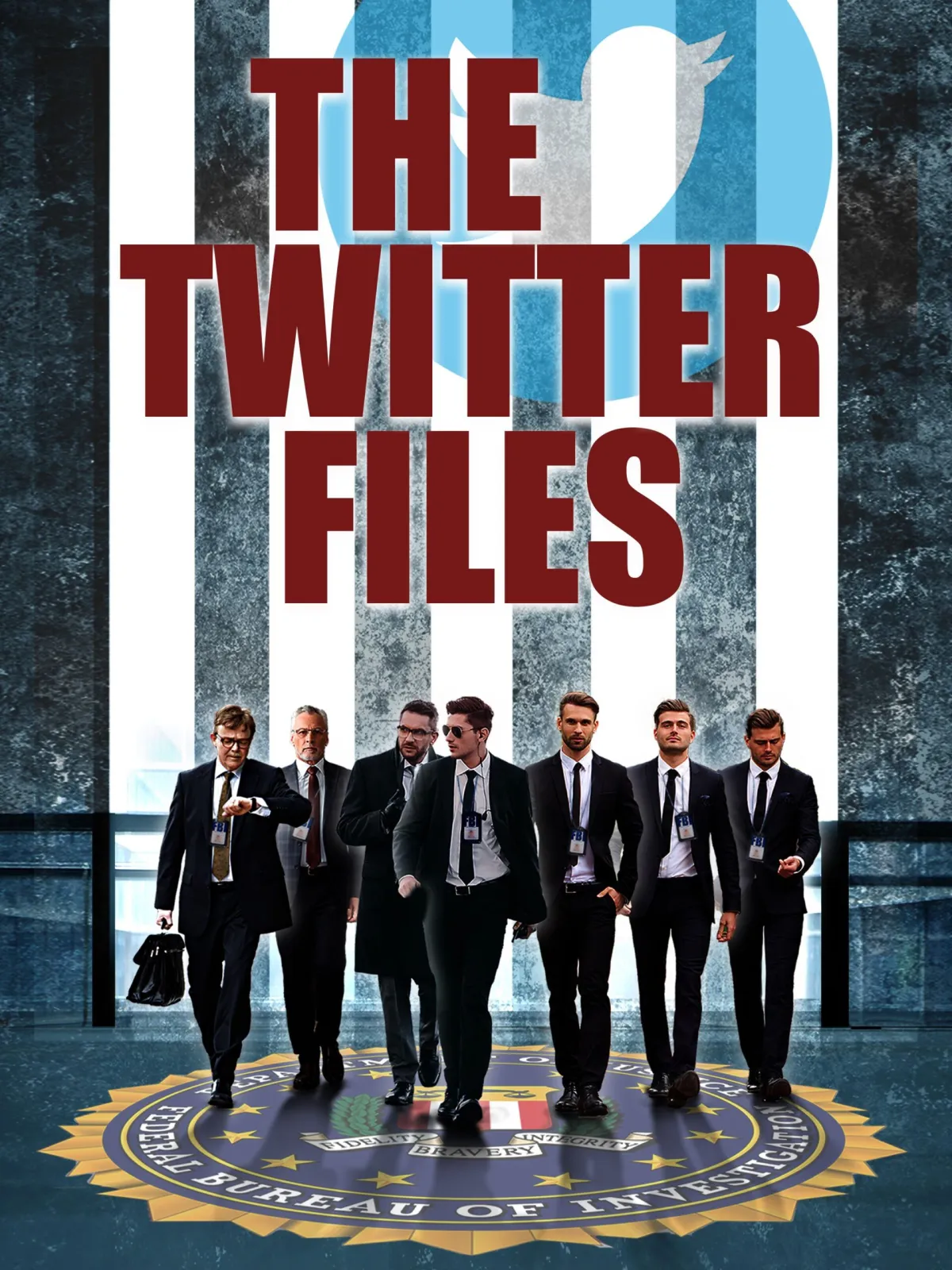 Photo: Twitter Files, via www.gobmg.com
The Money Trail Behind the Censorship Machine
Follow the money, and the picture becomes crystal clear. The Department of Homeland Security funneled millions through its Cybersecurity and Infrastructure Security Agency (CISA) to organizations like the Stanford Internet Observatory and the University of Washington's Center for an Informed Public. The National Institutes of Health directed grants to academic institutions studying "health misinformation." The State Department's Global Engagement Center distributed funds to groups monitoring "foreign disinformation" that somehow always seemed to target American conservatives.
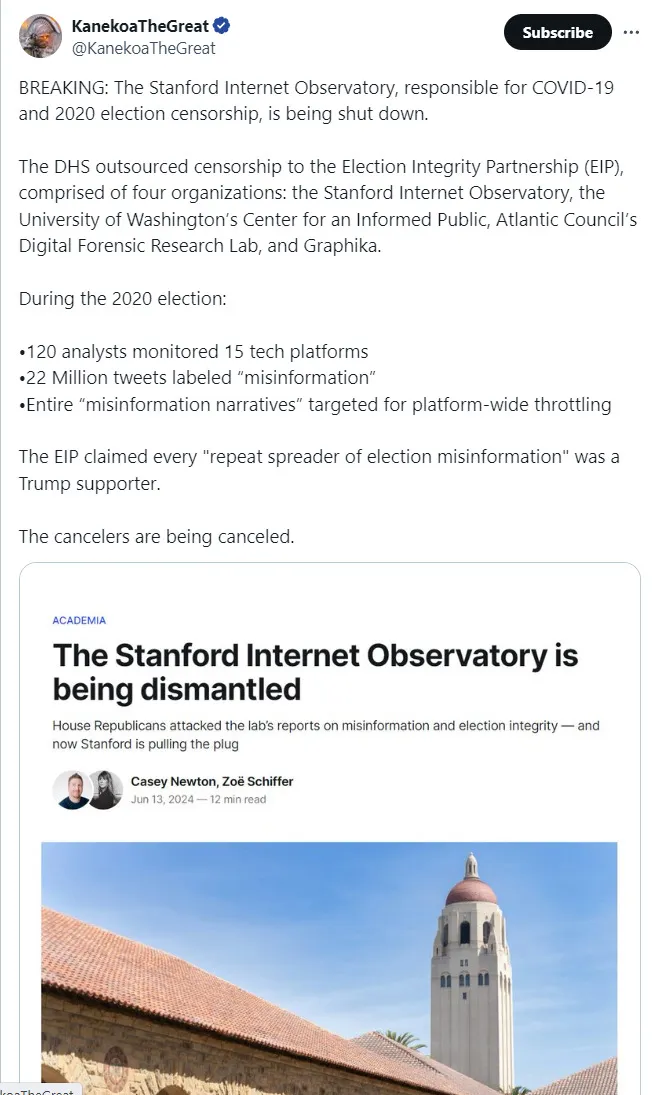 Photo: Stanford Internet Observatory, via xahlee.org
The Stanford Internet Observatory alone received substantial federal funding while producing reports that flagged true stories about Hunter Biden's laptop as "misinformation." The Global Disinformation Index, which received State Department backing, created blacklists of conservative media outlets that it recommended advertisers avoid. These weren't neutral academic exercises — they were hit jobs with government stamps of approval.
Congressional testimony revealed that CISA officials regularly communicated with social media platforms about content moderation, creating what Missouri Attorney General Eric Schmitt called "the most massive attack against free speech in United States history." The evidence shows federal agencies didn't just suggest removals — they demanded them, turning Big Tech platforms into enforcement arms of government censorship.
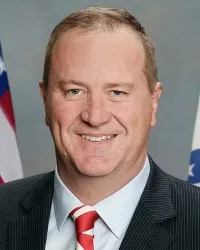 Photo: Eric Schmitt, via cdn-0.contactsenators.com
The Academic Veneer of Political Warfare
The genius of this system lies in its structure. Rather than having government officials directly censor speech — which would be obviously unconstitutional — federal agencies launder their censorship demands through academic institutions and non-profit organizations. Universities provide the scholarly credibility, think tanks offer the policy recommendations, and fact-checking organizations deliver the final verdicts.
This creates multiple layers of deniability. When conservatives challenge the censorship, defenders can point to the "independent" academic research. When academics face scrutiny, they can claim they're just following the science. When government officials are questioned, they can insist they merely funded objective research.
But the Twitter Files shattered this facade. Internal communications showed that these supposedly independent researchers were taking direct guidance from federal agencies about which topics to investigate and which conclusions to reach. The Stanford Internet Observatory's weekly meetings included federal officials who helped shape research priorities. The Election Integrity Partnership coordinated directly with CISA to monitor and flag social media content.
Conservative Speech in the Crosshairs
The pattern of targeting is unmistakable. Stories that hurt Democrats — like the Hunter Biden laptop revelations — were quickly labeled "misinformation" and suppressed. Meanwhile, false stories that benefited the left — like the Russia collusion narrative — circulated freely for years without fact-checker intervention.
COVID-related censorship provides the clearest example. Scientists and doctors who questioned lockdown policies, mask mandates, or vaccine efficacy found their content flagged and removed, even when subsequent evidence vindicated their positions. The lab leak theory, initially dismissed as "misinformation," is now considered the most likely explanation for the pandemic's origins. Yet the researchers who promoted this theory early faced systematic suppression.
The 2020 election offers another case study. Questions about mail-in ballot security, signature verification, and vote harvesting were deemed "election misinformation" and banned from major platforms. But these weren't conspiracy theories — they were legitimate policy debates that had been part of American political discourse for decades. The only difference was that conservatives were raising them in 2020.
The Constitutional Crisis Nobody Talks About
Liberal defenders argue that private companies have the right to moderate content on their platforms, and technically they're correct. But when government agencies fund the research that determines what gets censored, when federal officials coordinate with platforms about content removal, and when taxpayer dollars flow to organizations that create media blacklists, the First Amendment's prohibition on government censorship clearly applies.
The Supreme Court recognized this principle in Bantam Books v. Sullivan (1963), ruling that government cannot accomplish through informal pressure what it cannot do directly through law. Yet that's exactly what the misinformation industrial complex represents — a vast end-run around constitutional protections.
Critics claim this system is necessary to combat genuine disinformation from foreign adversaries. But the evidence shows it primarily targets domestic political speech that challenges liberal orthodoxy. If the goal were truly to stop foreign manipulation, why did these organizations spend so much energy flagging Hunter Biden stories while ignoring actual Chinese and Russian propaganda?
The Path Forward
The incoming Congress has the power to defund this censorship apparatus immediately. Every grant program that has funded misinformation research should face rigorous oversight. Academic institutions that participated in government-coordinated censorship should lose federal funding. Organizations like the Global Disinformation Index that created media blacklists should be investigated for potential civil rights violations.
More broadly, conservatives must recognize that this isn't just about social media censorship — it's about the left's attempt to delegitimize conservative thought entirely. By labeling opposing views as "misinformation," they're trying to remove them from acceptable political discourse altogether.
The misinformation industrial complex represents the marriage of Big Government and Big Tech in service of a single political agenda: silencing conservative America. It's time to pull the plug on this taxpayer-funded assault on free speech before it completes its mission of turning the First Amendment into a dead letter.