They Called You Heroes — Then Wrote Policies Designed to Break You

In April 2020, with cities locked down and supermarket shelves running thin, a remarkable political consensus briefly emerged. Governors held press conferences praising warehouse workers. Senators posted tributes to long-haul truckers. The phrase 'essential worker' entered the political lexicon as a term of genuine honor — a recognition that the people who kept supply chains moving, stocked the pharmacies, and delivered the packages were, in some fundamental sense, the backbone of the American economy.
By 2022, those same politicians were voting for legislation that made it harder for gig workers to set their own hours, more expensive for independent contractors to operate, and more burdensome for the small businesses that employ the working class to stay open. The signs came down. The policies arrived. And the workers who had been called heroes discovered that progressive gratitude has a very short shelf life.
The Gig Worker Reclassification Trap
No single policy better illustrates the gap between progressive rhetoric and working-class reality than the push to reclassify independent contractors as employees. California's Assembly Bill 5, signed into law in 2019 and the template for federal proposals that followed, was sold as a worker protection measure — a way to ensure that gig economy companies could not deny benefits to workers who functioned as de facto employees.
What it actually produced was a wave of deactivations, reduced earning opportunities, and the elimination of precisely the scheduling flexibility that many gig workers — disproportionately women, immigrants, and people with caregiving responsibilities — had chosen the work to obtain. A 2020 survey by the California Chamber of Commerce found that the majority of affected independent contractors preferred their existing arrangements. A 2022 study published in the Journal of Economics and Management Strategy found that AB5-style regulations reduced gig worker earnings and hours without meaningfully increasing access to benefits.
Federal regulators under the Biden administration moved in the same direction. The Department of Labor finalized a new independent contractor rule in January 2024 that made it substantially harder for workers to be classified as independent — a change that the Chamber of Commerce estimated could affect millions of workers across industries from trucking to home health care. The workers who benefit most from flexible contracting arrangements — the essential workers, by any definition — were not consulted. They were regulated.
Fuel Costs, Inflation, and the Truck Driver's Ledger
Consider the arithmetic facing an independent owner-operator trucker in 2022 and 2023. Diesel prices hit a national average of $5.81 per gallon in June 2022, according to the U.S. Energy Information Administration — a direct consequence of supply constriction accelerated by federal leasing moratoriums, pipeline cancellations, and regulatory hostility to domestic energy production. The average long-haul trucker burns roughly 20,000 gallons of diesel annually. At the peak price differential above the pre-Biden baseline, that represented an additional operating cost of well over $20,000 per year — absorbed almost entirely by the independent operators who own their own rigs.
Those same operators were simultaneously navigating the inflationary environment that eroded real wages across the working class. The Bureau of Labor Statistics reported that real average hourly earnings for production and non-supervisory workers — the category that captures most blue-collar employment — fell for 25 consecutive months between 2021 and 2023, even as nominal wages rose. The workers who had been called essential were experiencing an effective pay cut, funded in part by the energy and regulatory policies of the politicians who had praised them.
Union Mandates That Help Unions, Not Workers
The progressive answer to working-class economic stress has consistently been unionization — a solution that serves the institutional interests of union leadership more reliably than it serves the workers themselves. The PRO Act, the centerpiece of the Biden-era labor agenda, would have effectively banned right-to-work laws in all 27 states that have enacted them, forcing workers to pay union dues as a condition of employment regardless of whether they wanted union representation.
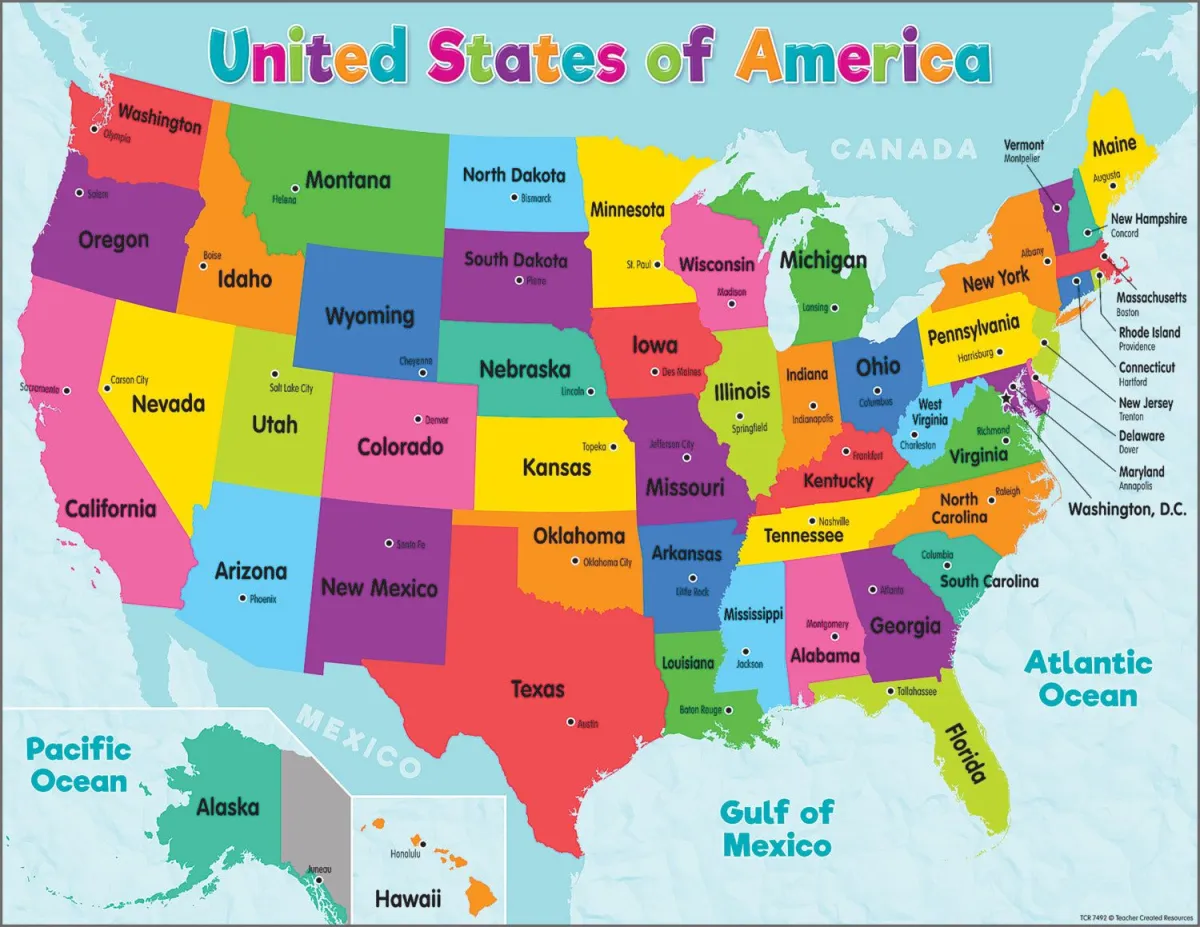 Photo: United States, via i.pinimg.com
Right-to-work states, it is worth noting, have generally outperformed their compulsory-union counterparts on job creation and manufacturing growth over the past two decades. A 2018 National Bureau of Economic Research working paper found that right-to-work laws increased manufacturing employment by roughly 3 percent in affected states. The workers in those states were not clamoring for the PRO Act. Their politicians were.
The Strongest Case for the Other Side — and Its Limits
Fair-minded critics of this analysis will point out that the regulatory agenda described above was motivated, at least in part, by genuine concerns about worker exploitation — that gig companies have in some documented cases misclassified employees to avoid benefit obligations, and that the post-pandemic labor market required structural corrections to address power imbalances between large employers and individual workers.
Those concerns are not entirely without merit. Worker exploitation is real, and conservatives should not dismiss it. But the policy response — blanket reclassification mandates, compulsory unionism, and energy regulations that raise input costs for every working American — is a solution that imposes its largest costs on the very workers it claims to protect. A genuinely pro-worker policy agenda would expand economic opportunity, reduce regulatory barriers to self-employment, and cut the taxes that consume the largest share of working-class take-home pay. That is the conservative agenda. It is also, by the evidence, the more effective one.
The Real Working-Class Agenda
Conservative deregulation and tax relief are not talking points designed for country club donors. They are the policy prescriptions that actually improve the material circumstances of truck drivers, electricians, home health aides, and warehouse workers. Reducing the corporate tax burden on small businesses increases the pool of capital available for wages and equipment. Expanding domestic energy production lowers the fuel costs that consume a disproportionate share of working-class budgets. Protecting independent contractor status preserves the flexibility that millions of workers have deliberately chosen.
The politicians who hung the 'essential worker' signs made a promise — not in words, but in the implicit covenant of democratic representation. They broke it the moment they returned to office and resumed the regulatory agenda that treats blue-collar Americans as problems to be managed rather than citizens to be served.
The workers who kept America running during the pandemic deserved better than a yard sign and a tax hike — and they are beginning to figure out which party actually has their interests at heart.