Unelected, Unfunded, Unchecked — The CFPB Was Always a Constitutional Time Bomb

The Agency That Was Built to Be Untouchable
When Congress passed the Dodd-Frank Wall Street Reform and Consumer Protection Act in 2010, buried within its 848 pages was an institutional design unlike almost anything else in the federal government. The Consumer Financial Protection Bureau — the CFPB — would be led by a single director who could not be removed by the president except for cause, funded not through the congressional appropriations process but directly through the Federal Reserve's operating budget, and insulated from the kind of annual oversight that keeps most federal agencies at least nominally accountable to elected officials. It was, in the words of its architects, designed to be independent. In practice, it was designed to be untouchable.
 Photo: Federal Reserve, via www.federalreserve.gov
More than a decade later, the bill for that structural arrogance is coming due. The Trump administration has moved to dramatically curtail the CFPB's operations, and the response from the left has been predictably apocalyptic — headlines warning of unprotected consumers, predatory lenders running wild, and financial chaos around the corner. What those headlines omit is the agency's actual record: a regulator that has consistently overreached its mandate, pursued politically motivated enforcement actions, and distorted consumer credit markets in ways that have hurt the very Americans it claims to champion.
What the Supreme Court Already Told Us
The constitutional problems with the CFPB are not a conservative talking point — they are a matter of settled legal record. In Seila Law LLC v. CFPB (2020), the Supreme Court ruled 5-4 that the agency's original single-director structure, shielded from at-will presidential removal, violated the separation of powers. Chief Justice John Roberts, writing for the majority, noted that the Founders deliberately constructed a government in which executive power flows from a single, accountable president — not from a constellation of independent fiefdoms answering to no one.
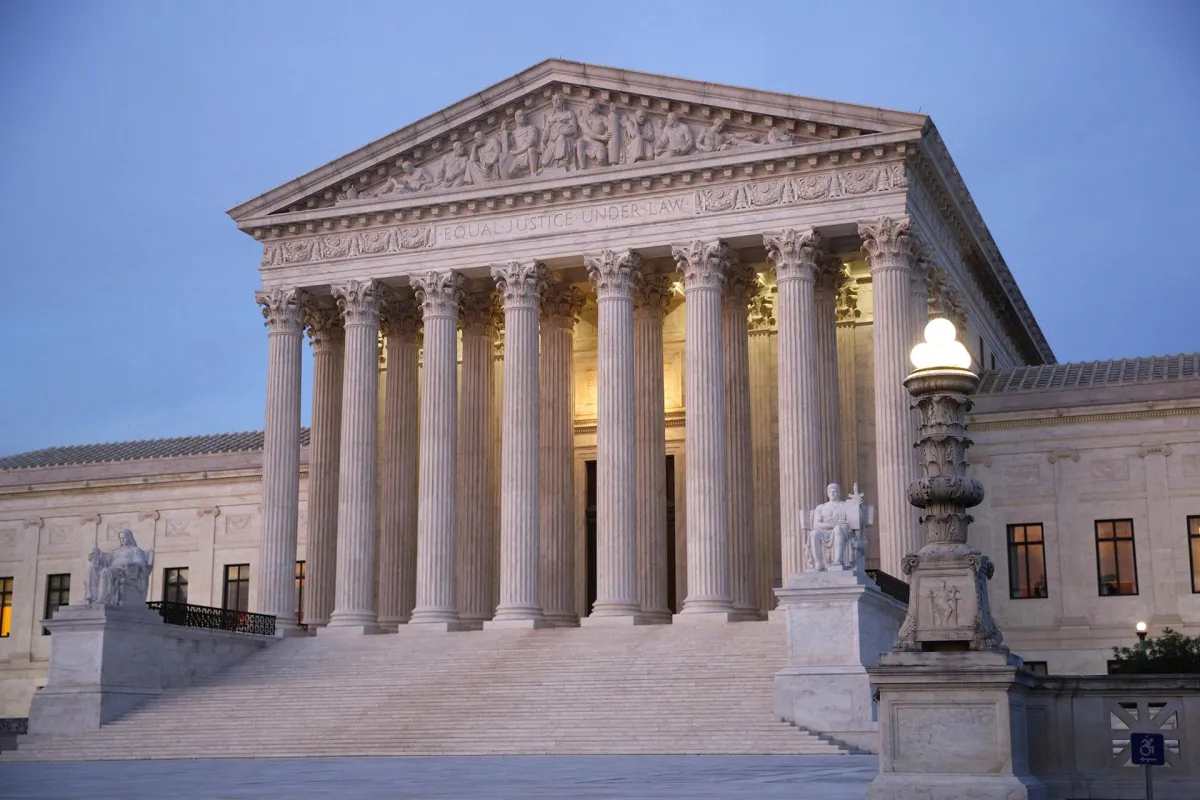 Photo: Supreme Court, via news.wttw.com
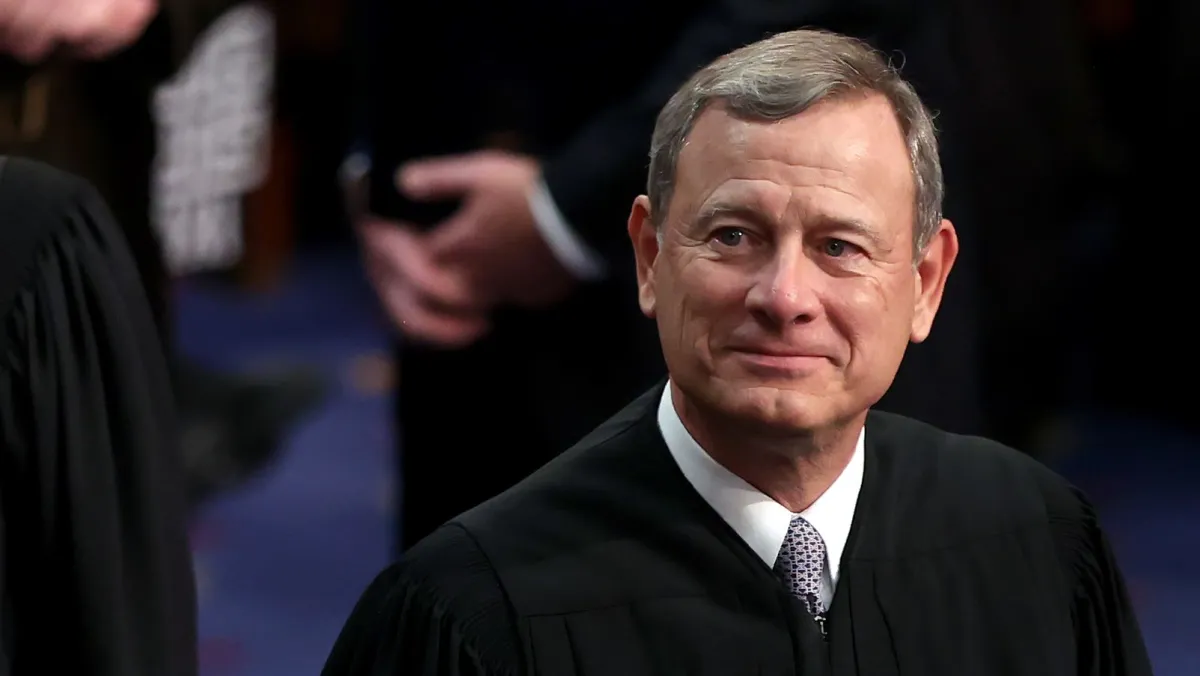 Photo: Chief Justice John Roberts, via media.cnn.com
The Court's remedy at the time was narrow: it severed the for-cause removal protection rather than dismantling the agency outright. But the underlying diagnosis was damning. An agency that controls billions of dollars in regulatory leverage, can unilaterally define "unfair, deceptive, or abusive acts or practices" with minimal judicial check, and draws its budget from outside the congressional purse is not a consumer protection bureau — it is a fourth branch of government that nobody voted for.
The funding mechanism deserves particular scrutiny. Because the CFPB requisitions its operating funds directly from the Federal Reserve — up to 12 percent of the Fed's total operating expenses — it has historically been immune to the appropriations rider process that Congress uses to discipline other agencies. Lawmakers who disagreed with the bureau's direction could not simply vote to defund a specific program. The agency's budget, and therefore its agenda, was structurally protected from democratic correction. In 2023, the Supreme Court agreed to hear CFPB v. Community Financial Services Association, a case challenging that very funding structure — a signal that the Court's constitutional skepticism of the bureau has not been exhausted.
The Regulatory Record: Overreach in Practice
Set aside the structural arguments for a moment and examine what the CFPB has actually done with its unchecked authority. Under the Obama and Biden administrations, the bureau pursued an aggressive agenda that went well beyond protecting consumers from fraudulent financial products.
The agency's small-dollar lending rules — targeting payday lenders — were crafted with explicit intent to eliminate an entire category of legal financial products used predominantly by lower-income Americans who lack access to traditional banking. The argument was paternalistic at its core: these borrowers cannot be trusted to make their own financial decisions, so the government will make those decisions for them. The result was not a wave of rescued consumers; it was a contraction in credit availability for people living paycheck to paycheck, forcing many toward less regulated alternatives or leaving them with no credit options at all.
The bureau's enforcement record has been similarly aggressive and selectively targeted. Financial institutions — particularly smaller community banks and credit unions — have faced compliance costs that large Wall Street firms can absorb but that threaten to crush regional lenders. According to data compiled by the Independent Community Bankers of America, regulatory compliance costs have driven hundreds of community bank consolidations since Dodd-Frank's passage, concentrating the financial sector in precisely the way that the law's populist proponents claimed to oppose.
The Counter-Argument, Taken Seriously
The strongest version of the pro-CFPB argument is not that the agency is perfect — even its defenders concede it has overstepped. The genuine case for the bureau rests on the observation that financial product complexity has outpaced ordinary consumers' ability to evaluate risk, and that without a dedicated watchdog, the asymmetry of information between large financial institutions and individual borrowers produces systematic harm.
That argument deserves a direct answer rather than dismissal. Consumer protection is a legitimate government function. The question is never whether to protect consumers but how — and through what institutional mechanisms. State attorneys general, the Federal Trade Commission, the Office of the Comptroller of the Currency, and the courts all retain authority over deceptive financial practices. The existence of the CFPB is not the difference between a protected and an unprotected consumer marketplace. It is the difference between a marketplace regulated through accountable democratic institutions and one regulated by a bureau that answers, structurally, to almost no one.
Reforming or eliminating the CFPB does not mean eliminating consumer financial protection. It means routing that protection through institutions that the American people can actually influence through their elected representatives.
What Comes Next
The Trump administration's effort to restructure the CFPB — reducing its staff, pausing enforcement actions, and reconsidering its rule agenda — has triggered legal challenges and considerable political theater. But the direction of travel is clear, and it reflects a broader reckoning with the administrative state that the conservative legal movement has been building toward for years.
The Founders designed a government of separated powers precisely because they understood that concentrated, unaccountable authority is dangerous regardless of the intentions behind it. An agency that can rewrite the rules of consumer finance by bureaucratic fiat, funded outside the congressional process, led by a director insulated from presidential oversight, is not a consumer protection bureau. It is an experiment in governance that the Constitution was specifically designed to prevent.
The CFPB's defenders will continue to argue that dismantling it is a gift to predatory lenders. The more accurate framing is simpler: restoring constitutional order is not anti-consumer. It is pro-American.
An agency that was built to be unaccountable should not be surprised when accountability finally arrives.